Dublin City University has launched Access to the Workplace 2027 at an event in PwC on Dublin’s Spencer Dock. 

This award-winning programme provides professional summer internships for DCU Access students from socio-economically disadvantaged backgrounds, and for neurodivergent students. The theme of this year’s launch event, which was attended by over 90 employers and students, was Empowering Talent for an Unscripted Future. 

Through a series of inspiring talks, guests heard how diverse talent and transversal skills can help companies drive sustainable growth in an AI-enabled world. Speakers included Dr Ciarán Dunne, Director of Transversal Skills at DCU, who provided an insight into how our uniquely human skills, such as critical thinking, leadership and communication, will be vital as AI is further integrated in the workplace.
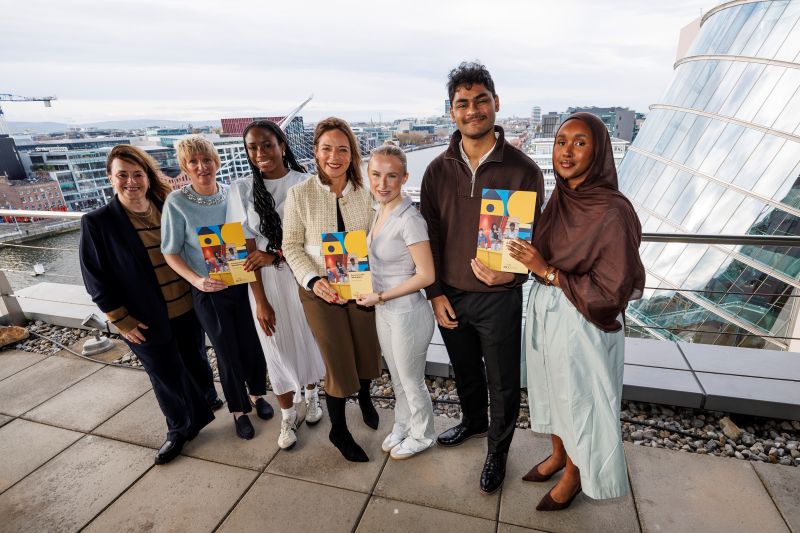
Pictured left to right: Mary Gamble, Managing Director DCU Educational Trust; Maz Sweeny, Access to the Workplace Programme Coordinator; ATTW participant Precious Okubanjo; Doone O’Doherty, Chief People Officer with PwC; ATTW participants Laura Przygoda, Aun Syed and Aisha Hassan

A panel discussion explored how internships for students from underrepresented groups can benefit both students and employers. Nancy Graves, Early Careers Manager with PwC, and Ultan Doyle, Programme Manager with Eaton, outlined the benefits of participating in Access to the Workplace for companies, from talent development to amplifying diverse perspectives. They were joined on the panel by Access to the Workplace student participants, Laura Przygoda, Precious Okubanjo and Aun Syed, who shared how the programme created opportunities for their early career development.

DCU Law and Politics student Aisha Hassan was the event MC. Speaking about her own Access to the Workplace experience in a law firm, she told guests:

“I think we can all relate to walking into a room and wondering where we fit in. Through this opportunity, I found a place where that didn’t matter. I wasn’t defined by my financial background, where I lived, or the path I took to get to college. I was given the same opportunities and treated as an equal.

The Access Programme broadens not just your own idea of what’s possible, but impacts all those around you. It’s not simply creating one success story. It’s opening doors, changing perceptions, and inspiring others who may never have imagined those opportunities were within their reach.”


Speaking at the launch, Mary Gamble, Managing Director DCU Educational Trust said:

 “By looking beyond graduation, DCU Access to the Workplace aims to offer students from socio-economically disadvantaged backgrounds and neurodivergent students access to the same career opportunities as their peers. Research has shown us that these student groups often experience disadvantage upon entering the workplace. By providing professional summer internships, our incredible partner companies enable talented young people to build their professional networks, develop confidence and fulfil their potential.”


Doone O’Doherty, Chief People Officer with PwC said:

“At PwC, we’re really proud of our continued partnership with DCU Access to the Workplace and the opportunity to give students meaningful workplace experience. It’s about helping students build the confidence and skills they need for their careers, while also making sure we listen to and learn from the different perspectives and experiences they bring.”


About DCU Access to the Workplace

DCU’s award-winning Access to the Workplace programme has provided 580 professional summer internships for DCU Access students from socio-economically disadvantaged backgrounds, and for neurodivergent students, since it first launched in 2019. Leading Irish companies, who also support Access scholarships at DCU, host the internships.

Main image: 
Left to right: Access to the Workplace participants Laura Przygoda, Precious Okubanjo, and Aun Syed; Nancy Graves PwC Manager, Early Careers and Ultan Doyle, Eaton Global Programme Manager 

 

Dublin City University launches Access to the Workplace 2027

Dublin City University has launched Access to the Workplace 2027 at an event in PwC on Dublin’s Spencer Dock. 

This award-winning programme provides professional summer internships for DCU Access students from socio-economically disadvantaged backgrounds, and for neurodivergent students. The theme of this year’s launch event, which was attended by over 90 employers and students, was Empowering Talent for an Unscripted Future. 

Through a series of inspiring talks, guests heard how diverse talent and transversal skills can help companies drive sustainable growth in an AI-enabled world. Speakers included Dr Ciarán Dunne, Director of Transversal Skills at DCU, who provided an insight into how our uniquely human skills, such as critical thinking, leadership and communication, will be vital as AI is further integrated in the workplace.

Pictured left to right: Mary Gamble, Managing Director DCU Educational Trust; Maz Sweeny, Access to the Workplace Programme Coordinator; ATTW participant Precious Okubanjo; Doone O’Doherty, Chief People Officer with PwC; ATTW participants Laura Przygoda, Aun Syed and Aisha Hassan

A panel discussion explored how internships for students from underrepresented groups can benefit both students and employers. Nancy Graves, Early Careers Manager with PwC, and Ultan Doyle, Programme Manager with Eaton, outlined the benefits of participating in Access to the Workplace for companies, from talent development to amplifying diverse perspectives. They were joined on the panel by Access to the Workplace student participants, Laura Przygoda, Precious Okubanjo and Aun Syed, who shared how the programme created opportunities for their early career development.

DCU Law and Politics student Aisha Hassan was the event MC. Speaking about her own Access to the Workplace experience in a law firm, she told guests:

“I think we can all relate to walking into a room and wondering where we fit in. Through this opportunity, I found a place where that didn’t matter. I wasn’t defined by my financial background, where I lived, or the path I took to get to college. I was given the same opportunities and treated as an equal.

The Access Programme broadens not just your own idea of what’s possible, but impacts all those around you. It’s not simply creating one success story. It’s opening doors, changing perceptions, and inspiring others who may never have imagined those opportunities were within their reach.”


Speaking at the launch, Mary Gamble, Managing Director DCU Educational Trust said:

 “By looking beyond graduation, DCU Access to the Workplace aims to offer students from socio-economically disadvantaged backgrounds and neurodivergent students access to the same career opportunities as their peers. Research has shown us that these student groups often experience disadvantage upon entering the workplace. By providing professional summer internships, our incredible partner companies enable talented young people to build their professional networks, develop confidence and fulfil their potential.”


Doone O’Doherty, Chief People Officer with PwC said:

“At PwC, we’re really proud of our continued partnership with DCU Access to the Workplace and the opportunity to give students meaningful workplace experience. It’s about helping students build the confidence and skills they need for their careers, while also making sure we listen to and learn from the different perspectives and experiences they bring.”


About DCU Access to the Workplace

DCU’s award-winning Access to the Workplace programme has provided 580 professional summer internships for DCU Access students from socio-economically disadvantaged backgrounds, and for neurodivergent students, since it first launched in 2019. Leading Irish companies, who also support Access scholarships at DCU, host the internships.

Main image: 
Left to right: Access to the Workplace participants Laura Przygoda, Precious Okubanjo, and Aun Syed; Nancy Graves PwC Manager, Early Careers and Ultan Doyle, Eaton Global Programme Manager 

 

Interested in Supporting Access to the Workplace?